
Lewis Hamilton — The Driver Who Redefined Formula 1
Sir Lewis Hamilton is widely regarded as one of the greatest drivers in the history of Formula One, not only because of his unmatched statistical dominance, but also due to his transformative cultural impact on global sport.
MOTOR RACING
Vitor Regis
5/22/20265 min read
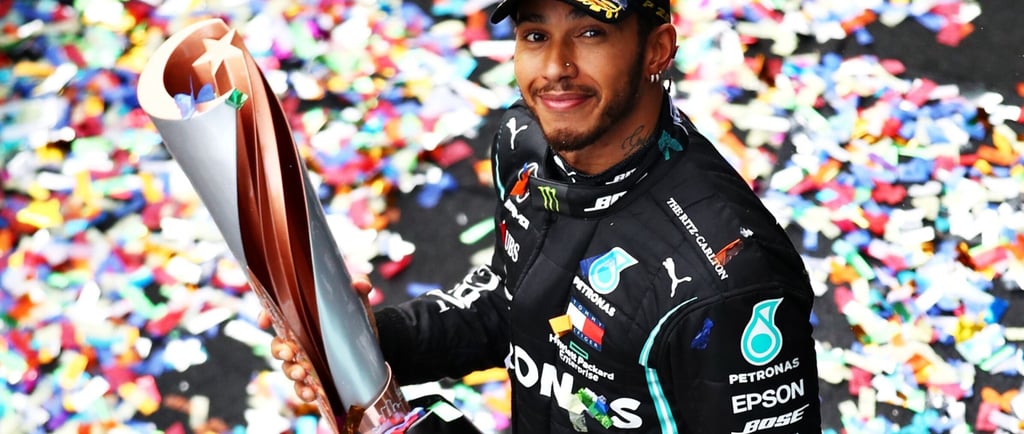
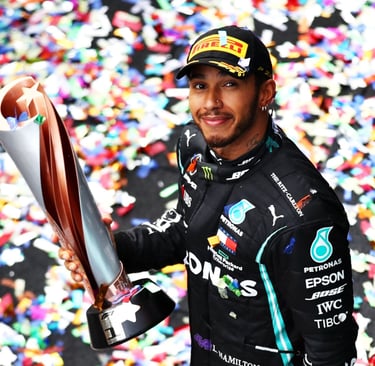
Sir Lewis Hamilton is widely regarded as one of the greatest drivers in the history of Formula One, not only because of his unmatched statistical dominance, but also due to his transformative cultural impact on global sport. Born on January 7, 1985, in Stevenage, Hamilton emerged from modest beginnings to become the first Black driver in Formula 1 history, eventually turning into one of the most recognizable athletes on the planet. His journey represents far more than motorsport success; it symbolizes resilience, innovation, discipline, activism, fashion influence, and the modernization of Formula 1 itself. Hamilton began karting at the age of eight after receiving his first kart from his father, Anthony Hamilton, who worked multiple jobs to finance his son’s racing ambitions. By the age of ten, Hamilton had already approached McLaren boss Ron Dennis and famously declared that he wanted to drive for the team one day, a prophecy that became reality years later. His junior career was extraordinary, winning championships in Formula Renault, Formula 3, and GP2 before debuting in Formula 1 in 2007 with McLaren alongside reigning world champion Fernando Alonso. Hamilton immediately shocked the motorsport world by finishing on the podium in his first nine races and narrowly missing the championship in his rookie season by just one point, a feat unprecedented in modern Formula 1.
In 2008, Hamilton became the youngest Formula 1 world champion at the time after winning a dramatic rain-soaked finale at the Brazilian Grand Prix, overtaking Timo Glock on the final lap to secure the title by a single point. That championship victory transformed Hamilton into a global icon and established him as the future face of Formula 1. However, the defining phase of his career began in 2013 when he made the controversial decision to leave McLaren for Mercedes-Benz, a move many experts initially criticized. The gamble became one of the greatest strategic decisions in sports history. Between 2014 and 2020, Hamilton dominated Formula 1 during the hybrid engine era, winning six world championships with Mercedes and breaking numerous records previously considered untouchable. He surpassed Michael Schumacher in career victories, pole positions, podiums, and total points, while equaling Schumacher’s seven world championships. Hamilton currently holds over 100 Grand Prix victories and more than 100 pole positions, records that fundamentally altered the statistical landscape of Formula 1.
LEWIS HAMILTON — CAREER TIMELINE
1985 → Born in Stevenage, England
1993 → Starts karting
1998 → Signs McLaren-Mercedes young driver deal
2007 → Formula 1 debut with McLaren
2008 → First World Championship
2013 → Joins Mercedes
2014 → Hybrid era domination begins
2014–2020 → Wins 6 titles with Mercedes
2021 → Knighted in the United Kingdom
2025 → Joins Ferrari
2026 → Continues pursuit of historic 8th title
Hamilton’s driving style has been analyzed extensively by engineers, strategists, and former drivers. Unlike aggressive oversteer-oriented drivers, Hamilton developed an adaptable and highly intelligent style built around tire preservation, braking precision, and race management. His ability to extract pace while protecting tire life became particularly devastating during the Mercedes era, allowing him to execute longer stints and strategic flexibility unmatched by many rivals. Engineers and analysts frequently highlight his extraordinary wet-weather performance, spatial awareness, and consistency under pressure. Hamilton’s victories at Silverstone 2008, Turkey 2020, Brazil 2021, and numerous wet qualifying sessions are often cited as masterclasses in precision driving. His capacity to maintain composure in chaotic race environments elevated him beyond pure speed into the realm of strategic brilliance. Even in his late career, Hamilton remains one of the strongest racecraft drivers on the grid, known for calculated overtakes and exceptional tire management.
CORE STRENGTHS OF HAMILTON'S DRIVING
Race Pace ██████████████
Wet Weather Skill ██████████████
Tire Management ██████████████
Qualifying Speed █████████████
Adaptability ██████████████
Racecraft ██████████████
Consistency ██████████████
Beyond statistics, Hamilton fundamentally transformed the cultural identity of Formula 1. Historically perceived as an elitist and inaccessible sport, Formula 1 experienced significant globalization and diversification during Hamilton’s rise. His influence extended into music, fashion, entertainment, and activism. Hamilton became closely associated with luxury fashion houses, attended the Met Gala regularly, collaborated with major designers, and helped position Formula 1 drivers as global lifestyle figures rather than solely athletes. His move to Ferrari in 2025 amplified this cultural impact even further, with international media describing the partnership between Formula 1’s most iconic driver and its most legendary team as one of the biggest moments in modern sports marketing.
Hamilton’s activism became another defining dimension of his legacy. Following the rise of the Black Lives Matter movement in 2020, Hamilton emerged as one of the most outspoken athletes in global sport regarding racial inequality and diversity. He consistently used his platform to challenge Formula 1 and broader society on issues of representation, inclusion, and systemic barriers. Hamilton kneeled before races, wore shirts demanding justice for victims of racial violence, and openly criticized the lack of diversity within motorsport. In response to these concerns, he launched the Hamilton Commission in partnership with the Royal Academy of Engineering, aiming to increase Black representation in British motorsport and STEM industries. He later created Mission 44, a charitable initiative focused on empowering underrepresented youth through education and opportunity. Hamilton’s activism reshaped conversations inside Formula 1 and pressured institutions to confront long-standing inequalities.
Hamilton’s influence also expanded into film production and media. He became a co-producer of the upcoming Formula 1 film starring Brad Pitt, helping ensure technical realism and authentic representation of the sport. Simultaneously, Hamilton continued to build a global personal brand centered around luxury, sustainability, veganism, and wellness. Since adopting a vegan lifestyle in 2017, Hamilton has frequently advocated for environmental awareness and animal rights, integrating sustainability into his public image and business ventures. His interests outside racing include fashion design, music production, philanthropy, and investment in socially conscious companies.
The transition from Mercedes to Ferrari in 2025 marked one of the most significant transfers in Formula 1 history. After twelve seasons and six championships with Mercedes, Hamilton joined Ferrari in pursuit of an unprecedented eighth world championship. The move carried immense symbolic weight because Ferrari represents the most historic and emotionally charged team in Formula 1. Although his first Ferrari season proved challenging and lacked consistent podium finishes, Hamilton repeatedly emphasized that he had “no regrets” about the decision and remained fully committed to helping Ferrari return to championship contention. Analysts described the partnership as a fusion of Formula 1’s most iconic team with its most globally influential driver. Hamilton himself explained that driving for Ferrari had always been a childhood dream and one of the final ambitions of his career.
LEWIS HAMILTON — HISTORICAL RECORDS
World Championships: 7
Grand Prix Victories: 105
Pole Positions: 104
Podiums: 200+
Career Points: 4800+
First Black F1 Driver: Yes
Most Wins at Silverstone: Record Holder
Most Consecutive Seasons
With a Win: Record Holder
Hamilton’s legacy cannot be measured solely by championships or victories. He altered the perception of what a Formula 1 driver could represent in the 21st century. Previous generations of drivers were often distant, technically focused figures whose public personas rarely extended beyond racing. Hamilton transformed that model into something multidimensional: athlete, activist, entrepreneur, fashion icon, philanthropist, and cultural symbol. His visibility brought millions of new fans into Formula 1, particularly younger audiences and communities historically disconnected from motorsport. His rivalry with drivers such as Max Verstappen, Sebastian Vettel, and Fernando Alonso defined multiple eras of Formula 1 competition and helped elevate the sport’s global popularity during the streaming and social media age. Hamilton’s resilience through controversy, racism, intense scrutiny, and competitive setbacks further strengthened his status as one of the most influential athletes of the modern era.
Today, Lewis Hamilton remains one of the central figures in world sport, continuing his pursuit of a historic eighth Formula 1 championship while simultaneously expanding his impact beyond racing. Whether remembered for his records, his activism, his fashion influence, or his role in transforming Formula 1 into a more global and culturally connected sport, Hamilton’s legacy is already secured as one of the most important and transformative in the history of modern athletics.
Sources
Subscribe to our newsletter
Enjoy exclusive special deals available only to our subscribers.
Service
The Company
Terms and conditions
Refund Policy






Copyright © Vitor Regis
São Paulo, Brazil
CNPJ: 66.825.015/0001-05